810nm Near Infrared PBM Brain Photobiomodulation Helmet with 256 LEDs for Rehabilitation Use
| MOQ | 1 Piece |
| Category | Medical |

More from this Supplier



Product Description
Product Description
MSLEU1121 Factory Directly 810nm Near Infrared PBM Brain Stimulation Rehabilitataion Helmet device For Brain Disorders
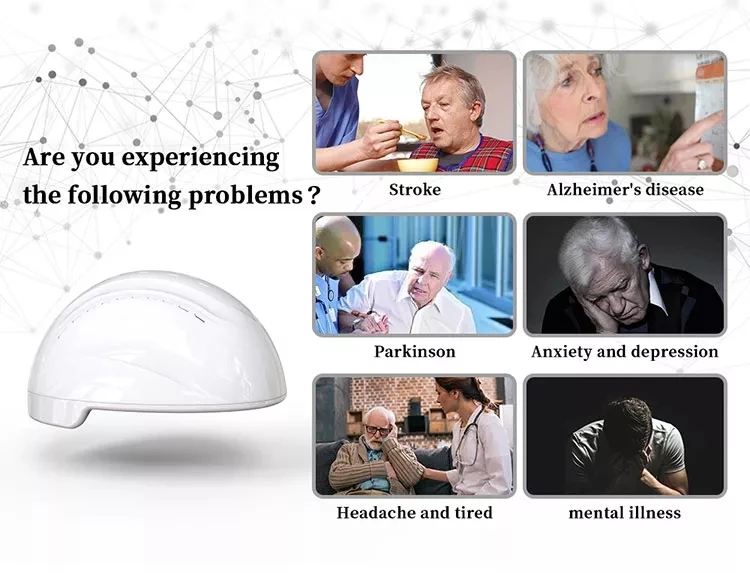
What is Photobiomodulation?
Photobiomodulation (PBM) describes the use of red or near-infrared light to stimulate, heal,
regenerate, and protect tissue that has either been injured, is degenerating, or else is at risk
of dying. One of the organ systems of the human body that is most necessary to life, and
whose optimum functioning is most worried about by humankind in general, is the brain.
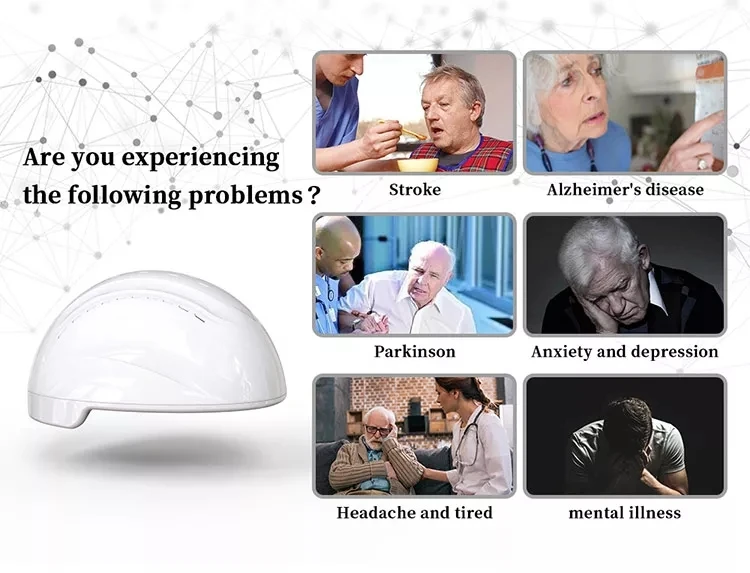
The brain suffers from many different disorders that can be classified into three broad
groupings: traumatic events (stroke, traumatic brain injury, and global ischemia),
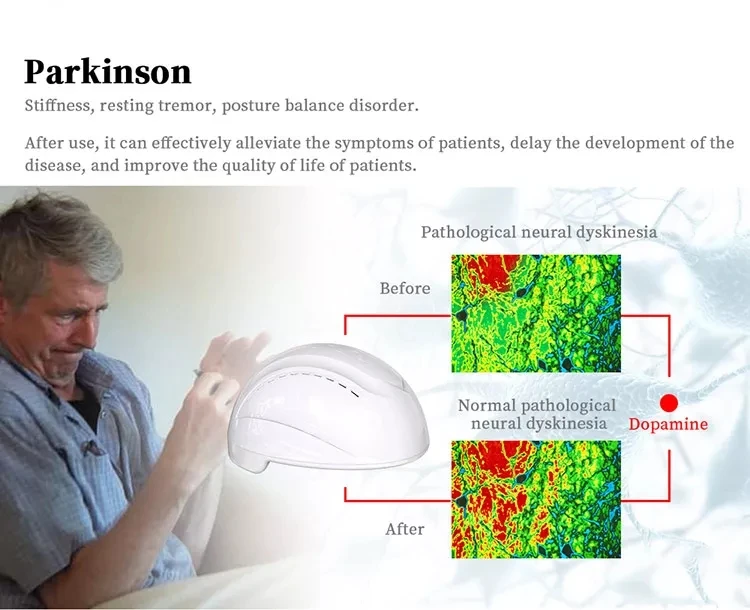
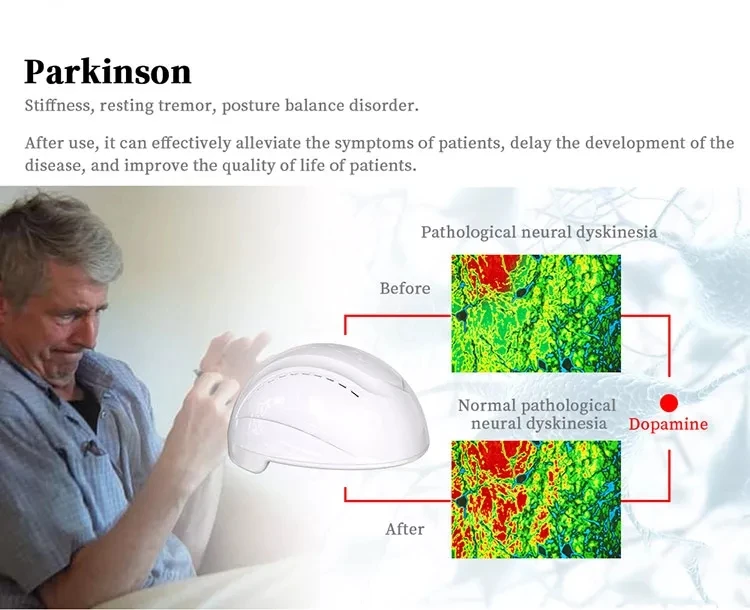
degenerative diseases (dementia, Alzheimer's and Parkinson's), and psychiatric disorders
(depression, anxiety, post traumatic stress disorder). There is some evidence that all these
seemingly diverse conditions can be beneficially affected by applying light to the head. There
is even the possibility that PBM could be used for cognitive enhancement in normal healthy
people.
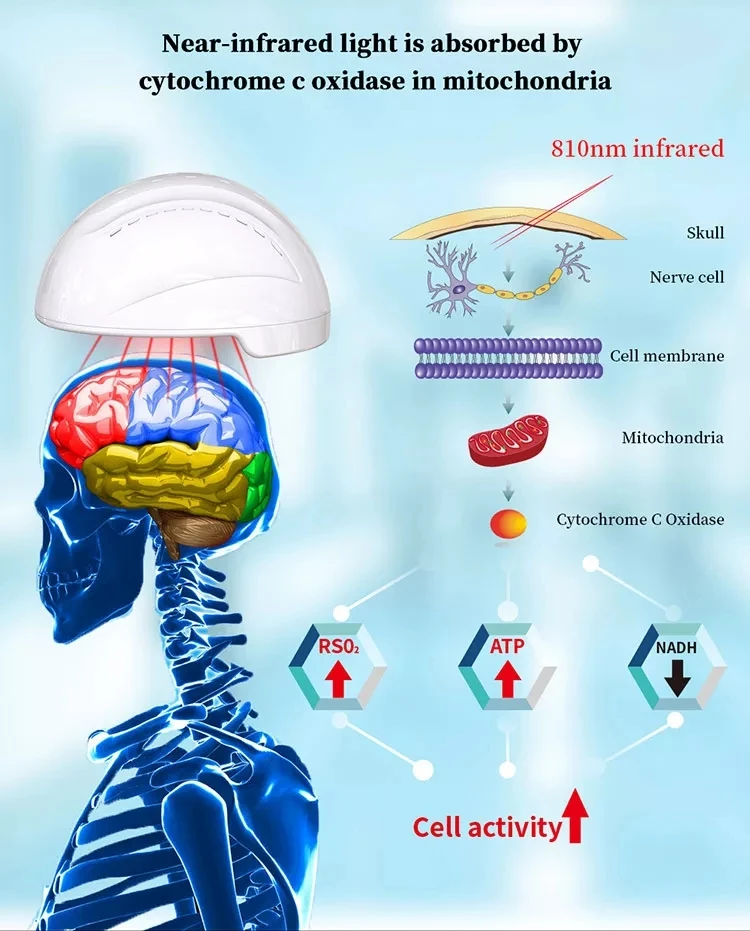
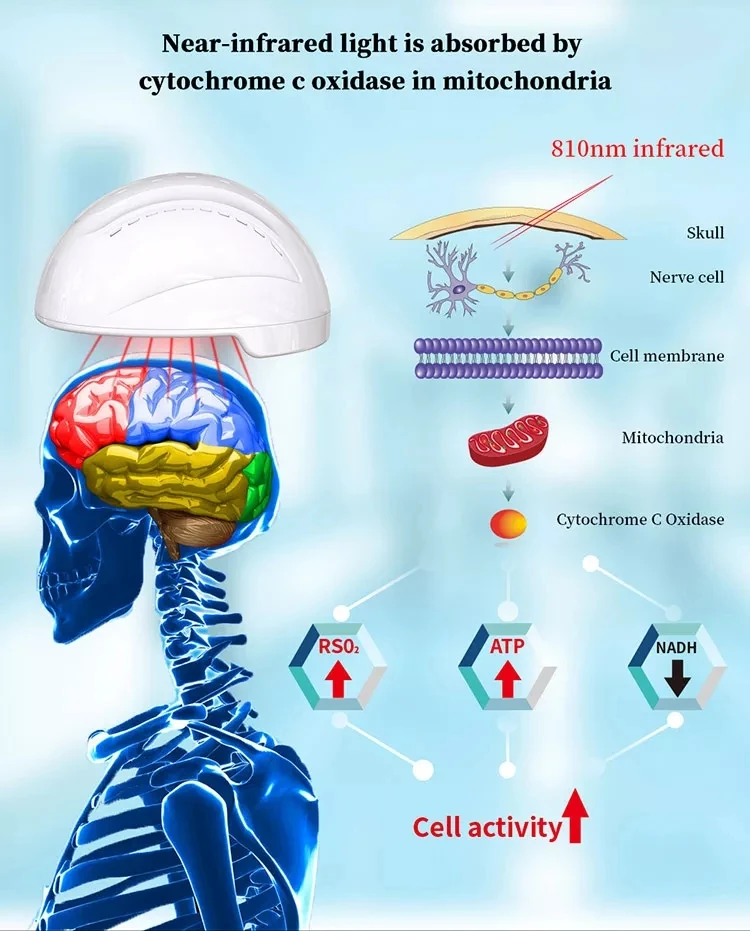
810nm near-infrared light can penetrate the scalp and skull.Transcranial leds from the near
infrared spectrum have been shown to provide anti-inflammatory and antioxidant effects.Heat
shock proteins can also be added to prevent protein misfolding and unwanted synthesis;Has
the potential to increase neuron regeneration and synaptic regeneration.
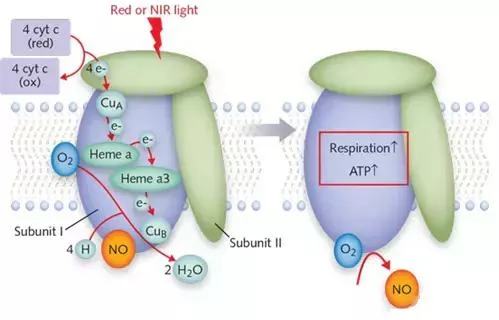
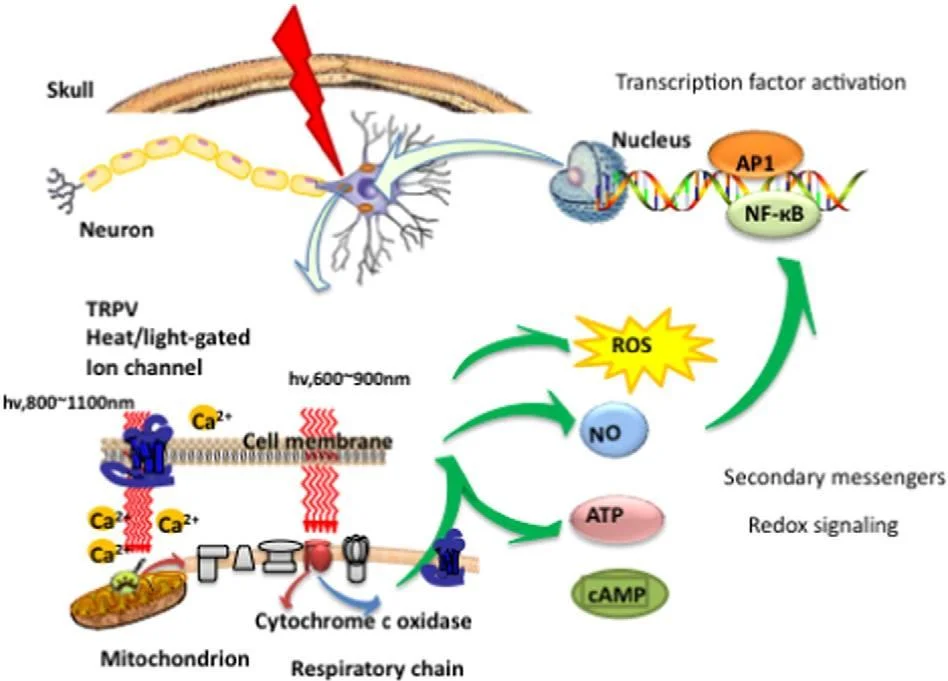
Cytochrome C oxidase (CCO, also known as complex IV) is a specific structure in mitochondria that ACTS as a
photon receptor and thus plays the PBM effect.PBM prevents respiratory inhibition (and correspondingly reduces
energy storage) in stress cells by isolating nitric oxide (NO) and reversing the shift of oxygen in cytochrome C
oxidase.This triggers transcription factors that alter gene expression levels.The binding of nitric oxide (NO) to
copper (or heme) centers in the mitochondrial cytochrome C oxidase (CCO) inhibits cell respiration.But cytochrome
C oxidase, which absorbs red or near-infrared (NIR) light, dissociates nitric oxide, restoring oxygen, increasing
cellular respiration, and forming adenosine triphosphate (ATP).This triggers a cascade of intracellular reactions
involving nitric oxide, reactive oxygen species (ROS), and cyclic adenosine phosphate (cAMP) that produce
beneficial effects of PBM
| Name | Brain Photobiomodulation Helmet | ||||
| Led quantity | 256 pcs | Wavelength | 810 nm | ||
| Hand breadth (mm) | 65~75mm | Power(Each LED) | 50 mW | ||
| Output power | 15 W | LED frequency | 1-20000Hz | ||
| Input voltage | 100-240V | Work voltage | 5V-6A | ||
| Input current | 800mA | Certificate | ce | ||
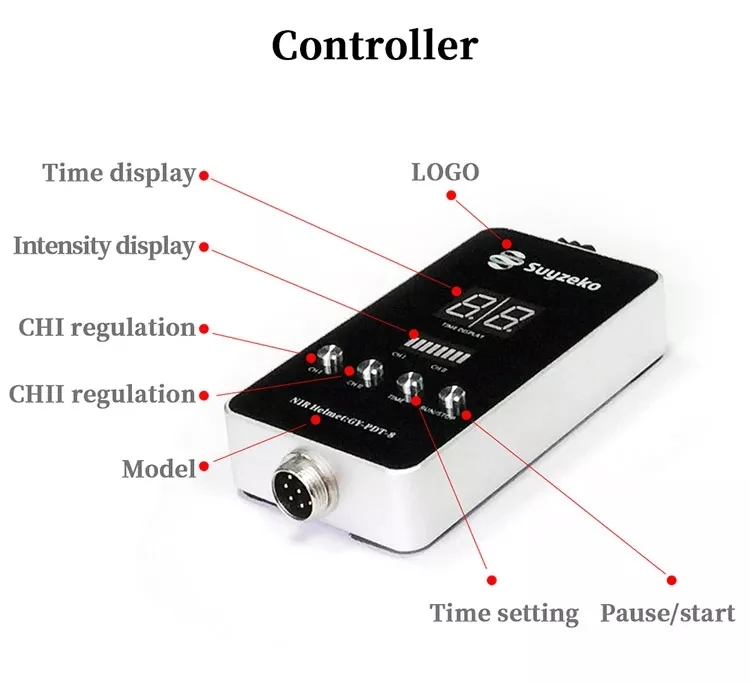
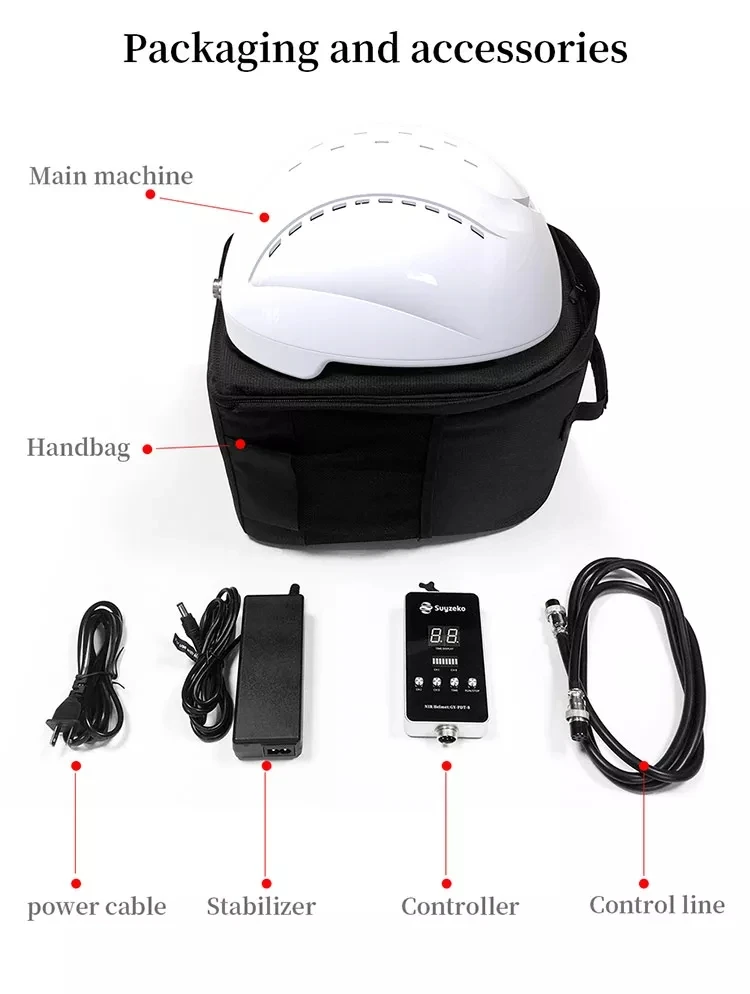
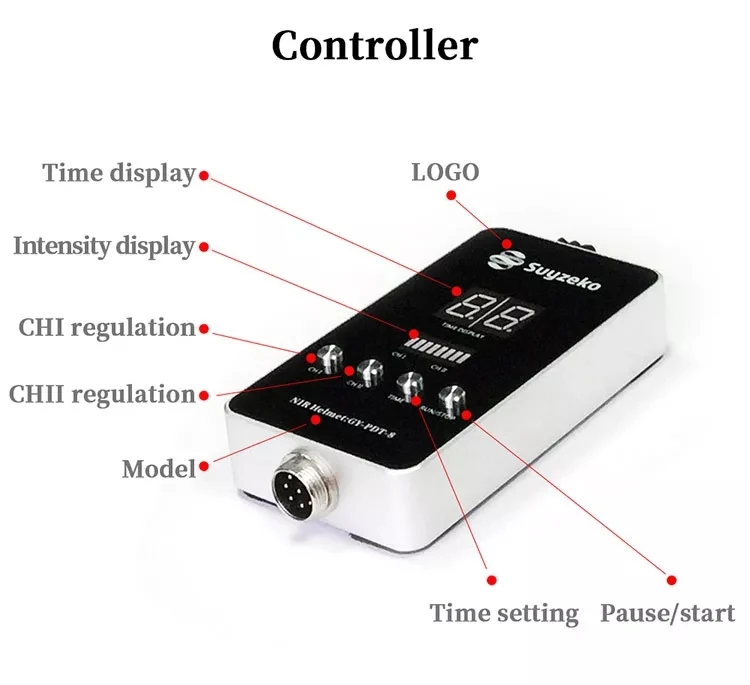
| Function | Two channel independently control Time/Power/Frequency adjustable | OEM ODM | support | ||
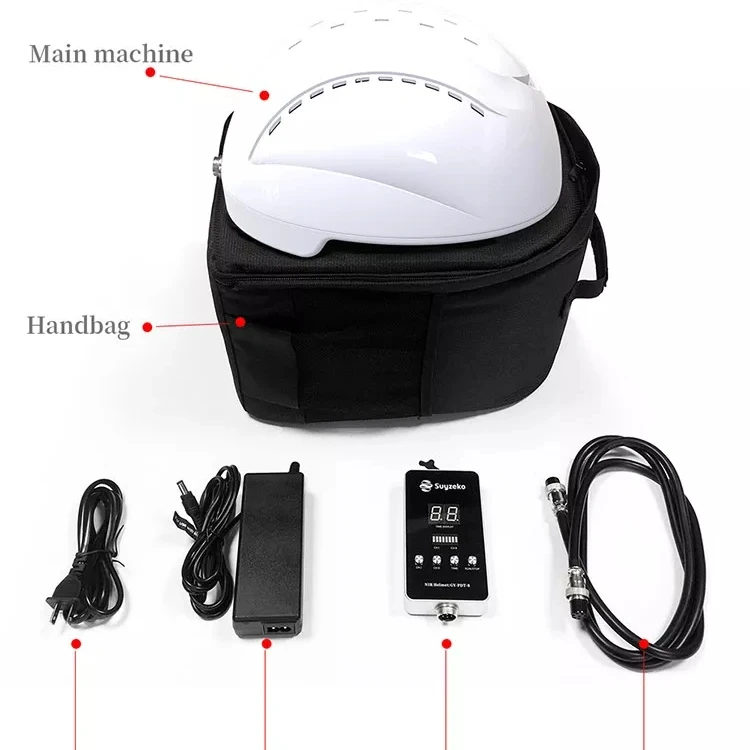
Detail images
Packing & Delivery

Certifications

Technical Specifications
| Model Number | MSLEU1121 |
| Brand Name | MSL |
| Warranty | 1 Year |
| After-sale Service | Onsite Training |
| Instrument classification | Class I |
| Place of Origin | Guangdong, China |
| Name | Brain Photobiomodulation Helmet |
| Wavelength | 810 nm |
| Led quantity | 256 pcs |
| Power(Each LED) | 50 mW |
| LED frequency | 1-20000Hz |
| Output power | 15 W |
| Input current | 800mA |
| Size | 35*28*24 |
| Weight | 6kgs |
| Function | Two channel independently control, Time/Power/Frequency adjustable |
| Input voltage | 100-240V |
| Work voltage | 5V-6A |
| Certificate | CE |
| OEM ODM support | Yes |